The Cover & Its Symbolism
| Symbol | Meaning |
|---|---|
| Cross | Sufferings of Pomelo blossoms and laurel leaves |
| Laurel leaves | Honor and fidelity |
| Silhouette of a Filipina | Represents María Clara |
| Burning torch | Rage and passion |
| Sunflowers | Enlightenment |
| Bamboo stalks cut but grew back | Resilience of the Filipino people |
| Man in a cassock with hairy feet | Priests using religion in a dirty way |
| Chains | Slavery |
| Whips | Cruelties |
| Helmet of Guardia Civil | Arrogance of those in authority |
| Tombstone | Religious faith |
| Pomelo flower | Purity |
| Woman | Constancy |
Cast of Characters – Crisóstomo Ibarra
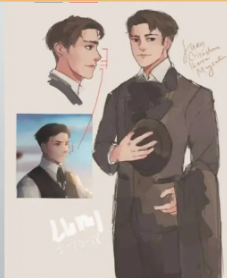
Juan Crisóstomo Ibarra y Magsalin
The Protagonist
- Son of a Filipino businessman, Don Rafael Ibarra
- Studied in Europe for seven years
- María Clara's fiancé
- Symbolizes the idealism of the privileged youth
Role in the Story:
- Protagonist of the novel
- Returns to the Philippines full of hope and plans to build a school
- His father's death and the injustices he suffers drive the plot
- Represents the educated Filipino who seeks reform but is crushed by the colonial system
Cast of Characters – María Clara
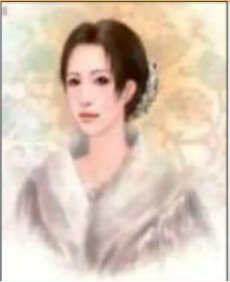
María Clara de los Santos y Alba
The Symbol of Purity
- Raised by Capitán Tiago, the cabeza de barangay of San Diego
- The most beautiful and celebrated girl in San Diego
- Symbolizes the purity and innocence of the sheltered native woman
- A faithful sweetheart, a good friend, and an obedient daughter
- Related to Rizal's childhood sweetheart, Leonor Rivera
Role in the Story:
- Ibarra's love interest and fiancée
- Her true parentage is a central secret of the novel
- Her fate represents the suffering of Filipino women under colonial rule
Cast of Characters – Capitán Tiago
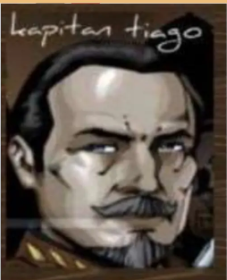
Capitán Tiago (Don Santiago de los Santos)
The Wealthy Filipino
- Filipino businessman and cabeza de barangay of San Diego
- Known father of María Clara
- Described as a good Catholic, friend of the Spanish government
- Symbolizes the rich Filipinos who oppress their fellow countrymen
Role in the Story:
- Hosts the opening dinner party where Ibarra returns
- His weakness and desire for social acceptance lead him to betray Ibarra
- Represents the wealthy Filipino who chooses comfort over patriotism
Cast of Characters – Padre Dámaso
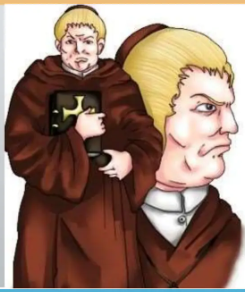
Padre Dámaso Verdolagas
The Cruel Friar
- A Franciscan friar and former parish priest of San Diego
- Known for speaking harsh words — a cruel priest
- He is the real father of María Clara
- He raped Doña Pia, María Clara's mother
- Symbolizes the Spanish friars of Rizal's time
Role in the Story:
- Main antagonist who destroys Ibarra's family
- His abuse of power and hidden sins drive much of the conflict
- Represents the corruption and hypocrisy of the Church
Cast of Characters – Elías
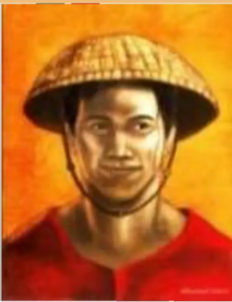
Elías
The Revolutionary
- Ibarra's mysterious friend and ally
- First appears as a pilot during a picnic
- Wants to revolutionize the country and free it from Spanish oppression
- Said to be the personification of Andrés Bonifacio
- Represents the common Filipino
Role in the Story:
- Saves Ibarra's life multiple times
- Reveals the truth about Ibarra's grandfather's dark past
- Sacrifices himself at the end so Ibarra can escape
Cast of Characters – Filósofo Tasio
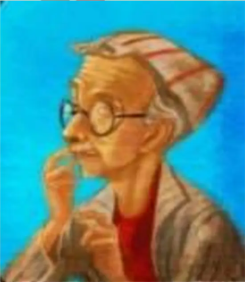
Filósofo Tasio (Pilosopo Tacio / Don Anastacio)
The Learned Filipino
- Expresses his ideas in cryptographic writing hoping future generations can decipher it
- Called "Filósofo Tacio" (Tacio the Sage) or "Tacio el Loco" (Insane Tacio)
- Rizal relates him to his older brother, Paciano Rizal
- Symbolizes the learned Filipino
Role in the Story:
- Serves as the voice of reason and wisdom
- Warns Ibarra about the dangers of his reformist ideas
- Dies alone, disillusioned by the failure of reform
Cast of Characters – Sisa (Narcisa)
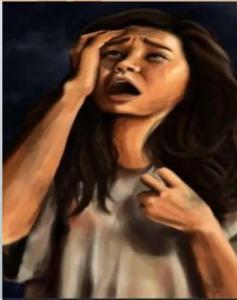
Narcisa (Sisa)
The Suffering Mother
- The deranged mother of Basilio and Crispín
- She loves her children very much but cannot protect them from her husband, Pedro
- Personifies the suffering of the motherland
- Named after Rizal's older sister, Narcisa
Role in the Story:
- Represents the suffering of the Filipino mother
- Her descent into madness after losing her sons is the most tragic part
- Dies in the forest, reunited with Basilio only in her final moments
Cast of Characters – Crispín
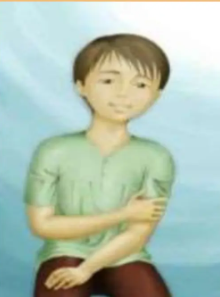
Crispín
The Innocent Victim
- Sisa's 7-year-old son
- An altar boy unjustly accused of stealing money from the church
- Sisa's favorite son
- Father Salví and the head sacristan killed him
Role in the Story:
- His unjust accusation and death represent the innocent wrongly accused
- His story is based on the true tale of Crisóstomo's brother of Hagonoy
- His death drives Sisa to madness
Cast of Characters – Basilio
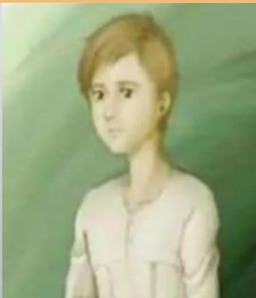
Basilio
The Survivor
- Sisa's 10-year-old son
- An acolyte tasked to ring the church bells for the Angelus
- Feared losing his younger brother and his mother falling into insanity
- Their family represented the innocent wrongly accused of crimes they did not commit
Role in the Story:
- Survives the tragedy and is taken in by a kind family
- His story continues in El Filibusterismo (the sequel)
- Represents the hope for the next generation
Cast of Characters – Padre Hernando de la Sibyla
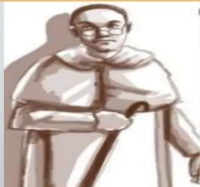
Padre Hernando de la Sibyla
The Liberal Friar
- A Dominican friar
- Described as short with fair skin
- Instructed by an old priest to watch Crisóstomo Ibarra
- Often cool and intelligent, especially when correcting Padre Dámaso
- Symbolizes the liberal friar but stays in the background
Role in the Story:
- Represents the more calculating and political side of the Church
- Observes events without directly interfering
- Shows that some friars are simply indifferent, not openly cruel
Cast of Characters – Padre Bernardo Salví
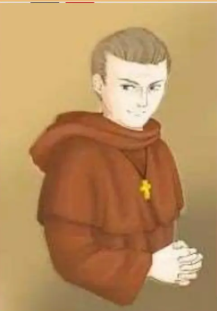
Padre Bernardo Salví
The Manipulative Curate
- Franciscan curate of San Diego
- Secretly harboring lust for María Clara
- Described as very thin and sickly
- His last name "Salví" hints at "Salvaje" meaning bad — willing to kill an innocent child, Crispín, for money
- Manipulates people to get what he wants
Role in the Story:
- Becomes the new parish priest of San Diego
- His obsession with María Clara leads him to manipulate events
- Represents the corrupt friar who uses religion for personal gain
Cast of Characters – El Alférez
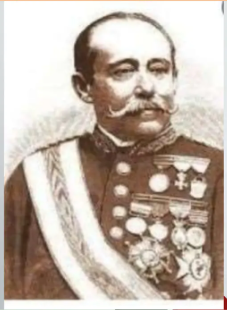
El Alférez (The Alférez)
The Abusive Official
- Chief of the Guardia Civil
- Mortal enemy of the priests for power in San Diego
- Husband of Doña Consolación
- Represents the officials of the state who struggled with Church officials
Role in the Story:
- Represents the abusive power of the military
- His conflict with Padre Salví shows the power struggle between Church and State
- His abuse of Sisa is one of the novel's most disturbing scenes
Cast of Characters – Doña Consolación
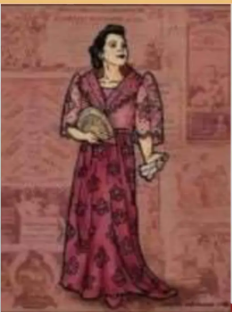
Doña Consolación
The Colonial-Minded Wife
- Wife of the Alférez, nicknamed "la Musa de los Guardias Civiles"
- A former laundrywoman who passes herself as a Peninsular
- Best remembered for her abusive treatment of Sisa
- Pretends not to know Tagalog and often uses Spanish words
- Symbolizes Filipinos who are ashamed of their own race
Role in the Story:
- Represents the colonial mentality of Filipinos who look down on their own people
- Her cruelty to Sisa shows oppression is also perpetuated by fellow Filipinos
Cast of Characters – Doña Victorina
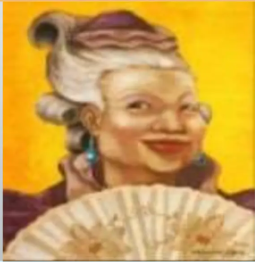
Doña Victorina (de los Reyes de Espadaña)
The Pretentious Filipina
- Wife of Don Tiburcio
- An ambitious Filipina who classifies herself as Spanish and mimics Spanish ladies
- Symbolizes those who have a distorted view of their identity
Role in the Story:
- Represents the Filipino who aspires to be Spanish
- Her pretentiousness makes her a comical but also tragic figure
- Shows the foolishness of colonial mentality
Cast of Characters – Don Tiburcio de Espadaña
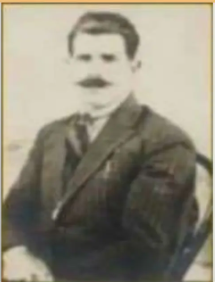
Don Tiburcio de Espadaña
The Quack Doctor
- Spanish Quack Doctor, limp and submissive to his wife
- He is timid and rarely joins in a conversation
- Represented the ignorant Spanish whose foolishness the other Spaniards tolerated
Role in the Story:
- Represents the incompetent Spanish officials sent to the Philippines
- His fake medical practice shows the lack of qualifications of some colonizers
- His submissiveness to his wife is a source of comedy
Cast of Characters – Teniente Guevara
Teniente Guevara
The Honest Soldier
- A close friend of Don Rafael Ibarra
- He reveals to Crisóstomo how Don Rafael Ibarra's death came about
- A morally upright man of Spanish descent who holds both Crisóstomo Ibarra and the late Don Rafael in high esteem
- He is one of the few who openly support the Ibarras
Role in the Story:
- Serves as a father figure to Ibarra
- Represents the good Spaniard who sympathizes with the Filipinos
- His honesty and integrity contrast with the corruption of other officials
Cast of Characters – Alfonso Linares
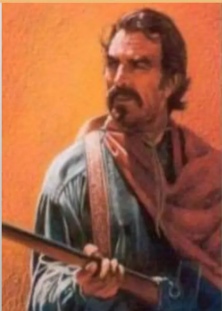
Alfonso Linares
The Fraudulent Suitor
- A distant nephew of Tiburcio de Espadaña — the would-be fiancé of María Clara
- Presented himself as a practitioner of law, but was later revealed to be a fraud
- He later died due to given medications of Don Tiburcio
- Meek and shy
- Represented the young Spaniards who came to the Philippines hoping for a better life
Role in the Story:
- Brought in by Doña Victorina as a suitor for María Clara
- Represents the Spanish colonizers who saw the Philippines as a place for easy fortune
Cast of Characters – Gobernador General
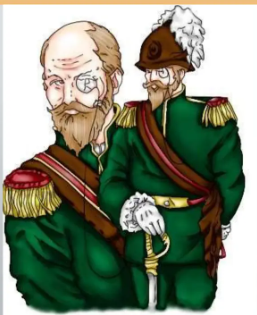
Gobernador General
The Most Powerful Official
- Unnamed in the novel, he is the most powerful official in the Philippines
- He has disdain for the friars and corrupt officials, and sympathizes with Ibarra
- He occupies the second most powerful rank in the colonial government, second only to the king
- Represents the typical Governor Generals who often disdained the friars' power
Role in the Story:
- Represents the Spanish colonial government
- His sympathy for Ibarra shows that not all Spaniards are enemies of the Filipinos
- His power is limited by the friars, showing the Church's dominance
Cast of Characters – Don Filipo Lino
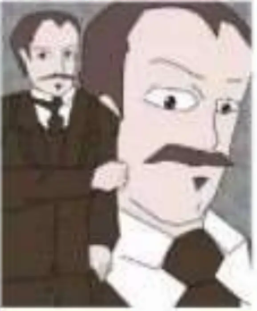
Don Filipo Lino
The Liberal Vice Mayor
- Represents the younger, less religiously shackled generation in San Diego
- Vice Mayor of the town of San Diego
- He despises spending lavish amounts of money on numerous feast days
- His words fall on deaf ears as he is only deputy mayor
Role in the Story:
- Represents the liberal Filipino who seeks reform
- His frustration shows the burden of colonial religious traditions
- His resignation from office shows the difficulty of fighting the system
Cast of Characters – Padre Manuel Martín
Padre Manuel Martín
The Sermonizing Friar
- He is the linguistic curate of a nearby town who says the sermon during San Diego's fiesta
- Known for his long and dramatic sermons
- Represents the friars who use religion for show
Role in the Story:
- His sermon is a satire of the friars' pompous and empty preaching
- Shows how religion has become a performance rather than a genuine practice of faith
Cast of Characters – Don Rafael Ibarra
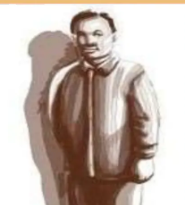
Don Rafael Ibarra
The Virtuous Father
- Father of Crisóstomo Ibarra
- Though the richest man in San Diego, he is also the most virtuous and generous
- A critic of the corrupt practices of the Spanish friars
- He dies in prison before his name can be cleared
- His remains were exhumed and buried at the Chinese cemetery because of his status as a heretic
Role in the Story:
- His death and dishonorable burial drive Ibarra's quest for justice
- Represents the good Filipino who is destroyed by the colonial system
- His story is the catalyst for the novel's main conflict
Cast of Characters – Doña Pia Alba
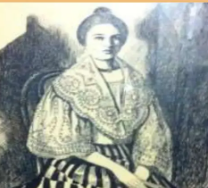
Doña Pia Alba
The Silenced Mother
- Wife of Capitán Tiago and mother of María Clara
- She died giving birth to María Clara. In reality, she was raped by Dámaso so she could bear a child
- A young, healthy, and beautiful woman — very spiritual
- By nature a merry woman, but she became melancholic when she became pregnant
- Represents the women abused by the clergy and silenced by shame
Role in the Story:
- Her rape by Padre Dámaso is the original sin that haunts the novel
- Her death and the secret of María Clara's parentage drive much of the plot